Explain Different Generation of Computer Pdf
Up to 24 cash back Generations of Programming Languages. A high-level programming language is a programming language that is more abstract easier to use and more portable across platforms.

Generations Of Computers And Their Characteristics Vidyagyaan
Types of Computer Generation and examples 1940 1956.
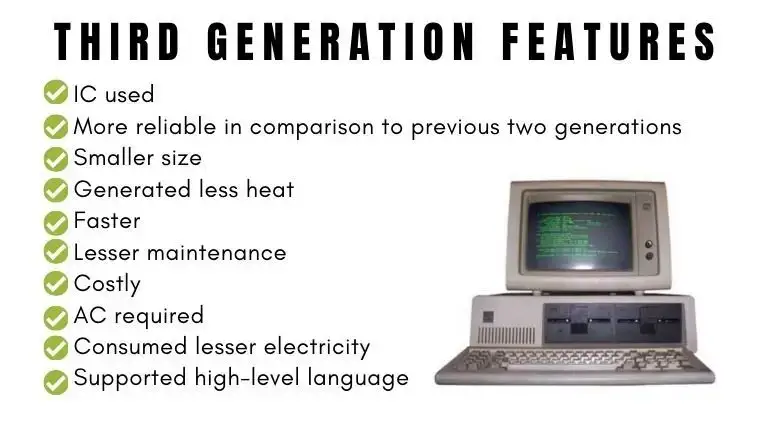
. Fifth Generation of Computers Still in Process. The period of second generation was from 1959- 1965. First generation 1946 - 1958 Second generation 1959 - 1964 Third generation 1965 - 1970 Fourth generation 1971 - today Fifth generation Today to future.
There are five computer generations known till date. They used high-level languages such as FORTRAN 1956 ALGOL 1960 COBOL 1960 1961. IO processor was included to control IO operations.
These generations of computers are. The first generation computers were developed by using vacuum tube or thermionic valve machine. Fourth Generation Computers- 1975 till now 5.
The fifth generation of computers. EDVAC Electronic Discrete Variable Automatic Computer. Second Generation of Computers -1955 to 1964 3.
What is a Computer. Following are the Example of First Generation of Computer. Third Generation of Computers- 1965 to 1974 4.
Generation in computer terminology is a change in technology a computer iswas being used. Second Generation of Computers1956-1963 The second generation of computers utilized Transistor instead of huge vacuum tubes. Download Full PDF Package.
The primary generation of this complex system began about 1940 and there are five generations of the computer till 2020. First Generation Computers 1940-1956 Second Generation Computers 1956-1963 Third Generation Computers 1964-1971 Fourth Generation Computers 1971-Present Fifth Generation Computers Present and Beyond. GENERATIONS OF PROGRAMMING LANGUAGE A low-level programming language is a programming language that provides little or no abstraction from computers microprocessor.
First Generation Languages 1GL- low level language Second Generation Language 2GL- low level language Third Generation Language- 3GL- high level language Fourth Generation Language- 4GL- high level language Fifth Generation Language- 5GL- high level language Characteristics of 1GL. 1965-1971 is the period of third generation computer. These computers were based on Integrated circuits.
The first generation computers worked on binary-coded. IC was invented by Robert Noyce and Jack Kilby In 1958-1959. About Generation of Computer in Hindi.
However the output was displayed on printouts. ENIAC Electronic Numerical Integrator And Calculator. The present and the future.
The first generation of computers. Initially the generation term was used to distinguish between varying hardware technologies. Electronic Numerical Integrator and Computer.
Vacuum tubes were widely used in computers from 1940 through 1956. The evolution of computer to the current state is defined in terms of the generations of computer. Fourth Generation of Computer PC 1975 Cu rrent At this time of technological development the size of computer was re - divided to what we called Personal Computers PC.
First generation computers relied on machine language the lowest-level programming language understood by computers to perform operations and they could only solve one problem at a time. Computers play an important role in almost every aspect of human life but computers as we know them today are very different from the initial models. This long period is often conveniently divided into the subsequent phases called computer generations.
Key Terms to Know. Our journey of the five generations of computers starts in 1940 with vacuum tube circuitry and goes to the present day and beyond with artificial intelligence AI systems and devices. Electronic Discrete Variable Automatic Computer.
First Generation Vacuum Tubes The first generation of computers used vacuum tubes as a major piece of technology. The second-generation computer used transistors for CPU components ferrite cores for main memory magnetic disks for secondary memory. History of Computers Computer Generations There are five generations of computer.
Nowadays generation includes both hardware and software which together make up an entire computer system. The UNIVAC and ENIAC computers are examples of first-generation. Second Generation Computers.
In this generation- magnetic cores were. Some of the first generation computers were ENIAC EDSAC EDVAC and UNIVAC. Input was based on punched cards and paper tape and output was displayed on printouts.
The third generation languages or 3GL are high-level languages such as C. Five Generations of Computers. First Generation Computers 1942 to 1954 2.
In this generation transistors were used that were cheaper consumed less power more compact in size more reliable and faster than the firstgeneration machines made of vacuum tubes. Generations of Computers can be generalized into mainly five generation. The second generation of computers.
The generation of computers is based on when major technological changes occur within the computer like the employment of the microprocessor vacuum tubes and transistors. The second generation languages or 2GL are also low-level languages that generally consist of assembly languages. List explain some important characteristics of a computer.
There are five generations of computers. Each generation of computer is designed based on a new technological development resulting in better cheaper and smaller. Draw a block diagram to illustrate the basic organization of a computer system and explain the function of the various units.
The computer has evolved from a large-sized simple calculating machine to a smaller but much more powerful machine. Vacuum tubes were larger components and resulted in first generation computers being quite large in size taking up a lot. These computers were cheaper as compared to second.
What is a Computer. Generations of computers Generations timeline Evolving hardware. The period 1940 to 1956 roughly considered as the First Generation of Computer.
Generations of Programming Language The first generation languages or 1GL are low-level languages that are machine language. The input of this system was based on punched cards and paper tape. IC was a single component containing number of transistors.
Universal Automatic Computer 1. Ii Second Generation 1955-1964. Lets take a look 5 Generations of Computers Checklist.
वरतमन समय म कमपयटर मनषय क जवन म बहत ह अहम भमक नभ रह ह कयक आज हर कषतर म परतयक कम क लए कमपयटर क. Each of the five generations of computer is characterized by an important technological development that had an innovative change in the way the computers operate. The fourth generation of computers.
EDSAC Electronic Delay Storage Automatic Calculator. Generations of Computer PPT PDF Report. The third generation of computers.
First Generation 1945- 1955.

Generations Of Computers Powerpoint Slides

What Are The Five Generations Of Computers 1st To 5th

Generations Of Computers And Their Characteristics Vidyagyaan

What Are The Five Generations Of Computers 1st To 5th

Generations Of Computers Powerpoint Slides

Generations Of Computers And Their Characteristics Vidyagyaan
The Five Generations Of Computers Business To Business

Generations Of Computers Powerpoint Slides
Advantages And Disadvantages Of Third Generation Computer
2

1st To 5th Generations Of Computer Complete Information
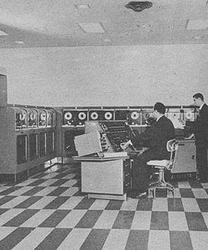
The Five Generations Of Computers Business To Business

Generations Of Computers Powerpoint Slides

Generation Of Computer And Their Features Notes Videos Qa And Tests Grade 11 Computer Science Introduction To Computer Kullabs

Generations Of Computers And Their Characteristics Vidyagyaan
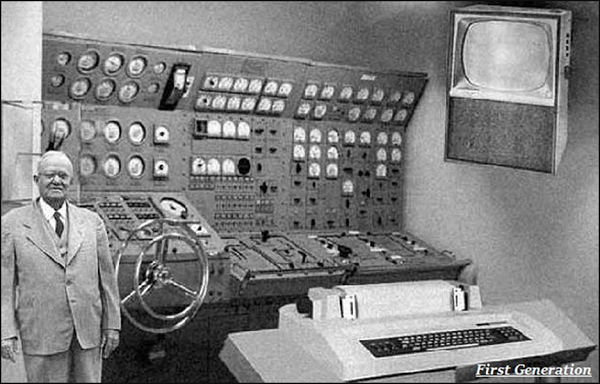
Generations Of Computer
2

Generations Of Computers And Their Characteristics Vidyagyaan

Generations Of Computer 1st To 5th Tutorialsmate


Comments
Post a Comment